 Source: DVIDS
On July 9, 2026, the Joint Interagency Task Force (JIATF) 401 released a new handbook designed to help government, industry, and academic audiences develop a common understanding around the basic principles of protecting against illicit unmanned aerial systems (UAS), commonly referred to as drones. The guide, titled “Small Drones, Big Problems: A First Principles Approach to Countering-UAS,” is part of the task force’s mission to synchronize counter-unmanned aircraft systems (C-UAS) efforts across the Pentagon and federal interagency partners.
Lessons From the Battlefield
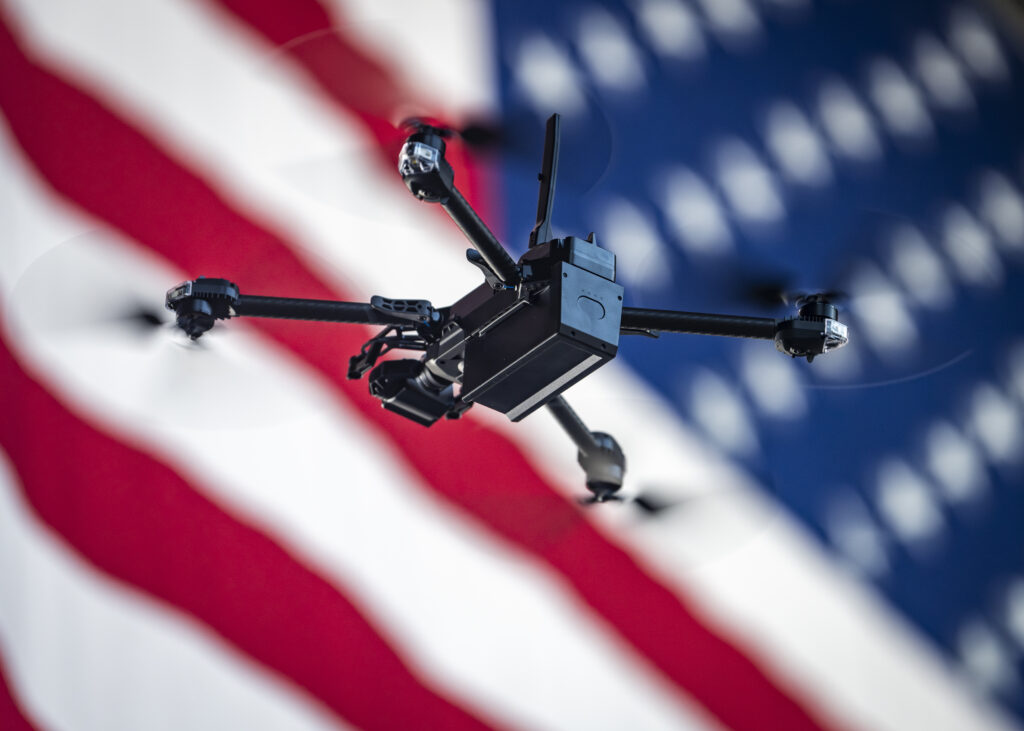
In addition to establishing some basics, like common terminology around drone threats, the handbook provides the latest information and tactics around drone operations, including lessons learned from the battlefield in Ukraine and operations in the Middle East. For example, the handbook notes that Iranian drones, specifically the Shahed-136, accounted for 66% of Iran’s counterattack operations during the initial phase of Operation Epic Fury. Moreover, the handbook details the use of First Person View (FPV) drones, which have been widely used in Ukraine. Though only an estimated 20-40% of Ukrainian drones found their targets, they accounted for 60-70% of damaged or destroyed Russian systems, and 70-80% of Russian casualties. These statistics emphasize the importance of C-UAS capabilities on the contemporary battlefield.
The Layered Defense Approach
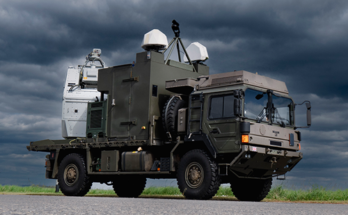
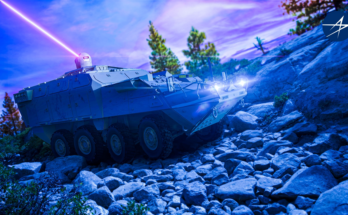
It is widely understood by defense experts that there is no “silver bullet” when it comes to drone defense. In examining the factors that enable successful C-UAS operations, the handbook emphasizes a layered approach—the application of multiple, overlapping security mechanisms—as the most effective defense against illicit drones. This approach encourages the use of a combination of multiple capabilities, including targeting how a drone functions, disrupting a drone’s navigation, and using a hard-kill option to neutralize the drone. Ultimately, the choice of defeat mechanism will largely depend on the threat.
Detection is Key
The handbook emphasizes that detecting drones early can completely alter the outcome of a drone threat. Thus, detection is an integral part of any C-UAS solution. While many existing radar systems have been built to spot large planes or fast missiles, small drones flying low and slow present a key challenge. The handbook notes that drone detection relies on several complementary sensing methods. No single detection method, even the most high-tech, is sufficient on its own.
Artificial Intelligence & Training
The handbook also places special importance on training individuals in counter-drone practices and supporting humans with artificial intelligence. The handbook stresses the importance of training teams on how to recognize drone activity and how to respond quickly. Of course, humans are now supported by AI, which can sort, compare, correlate, and flag anomalies across massive streams of sensor data that would otherwise overwhelm a human operator. The handbook notes that AI should be treated as a tool to reduce cognitive overload for defenders.
“Drones are not going anywhere; they are here to stay, and all of us must be trained and ready to deal with them, both at home and abroad.” — JIATF-401 C-UAS Handbook
Why is this important?
While the handbook doesn’t necessarily provide any groundbreaking information, it does serve an important purpose in codifying common terminology and best practices around drone threats. Prior to the handbook’s publication, separate organizations were subject to fragmented terminology and diverse tactics. By establishing a “First Principles” approach, the handbook provides a unified conceptual framework that facilitates joint operations, interagency coordination, and civil-military partnerships.
In addition, the handbook demonstrates a continued emphasis on drone and counter-drone operations in today’s defense landscape. Notably, the handbook is one of several resources JIATF-401 has introduced in 2026 to support C-UAS operations. In February, the task force launched the Counter-UAS Marketplace to help government users identify validated drone defense technologies, and in March, it published guidance on drone detection technologies, privacy protections, and standardized testing for C-UAS systems.
For more information on this topic, read Forecast International’s White Paper on Countering Unmanned Systems.

image sources
- Drone over US flag: DVIDS