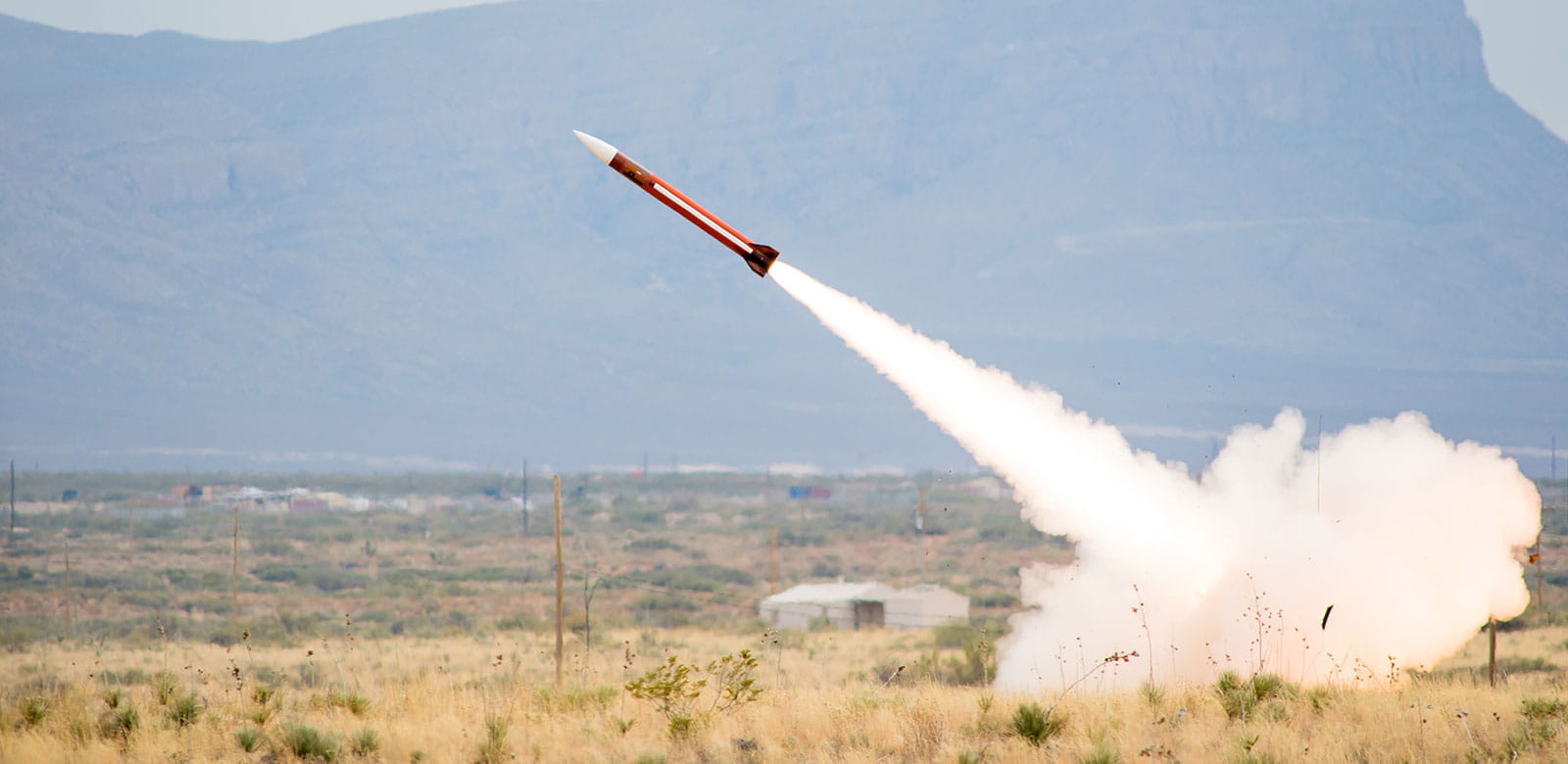
The recent decision by the U.S. to reactivate the PAC-2 GEM-T interceptor after a 30-year hiatus has raised immediate concerns across the defense industry. Initial analysis suggests this order may stem from an exhaustion of interceptor and missile stockpiles during the 2026 Iran conflict. While reports from the conflict support this concern, broader external factors and competing stockpile demands likely influenced the decision to resume PAC-2 production.
Among these factors is the Golden Dome initiative, a major U.S. defense program driving demand for interceptors. Although significant inventory was consumed in the Iran conflict, a considerable portion of the procurement orders placed in 2026 will likely be allocated to the Golden Dome. While the program emphasizes affordable solutions, higher-end interceptors like the PAC-3 MSE are also designated for system integration, heightening stockpile tensions given the PAC-3 MSE’s larger role in the Iran conflict.
An uncertainty is whether the U.S. will establish formal inventory requirements for interceptors to achieve operational status for the Golden Dome. Defining such requirements would significantly alter U.S. procurement strategy and dictate how interceptors are prioritized across competing commitments.
Realities of Restarting the Production Line
However the requirements pan out, the production itself has strong operational value for reviving the line. The PAC-2 GEM-T has a production length of roughly 24 months before delivery. The M903 launcher supports a mixed loadout of PAC-2 and PAC-3 interceptors, and each PAC-2 unit is approximately $1 million less expensive to manufacture than a PAC-3 MSE.
The M903 mixed PAC-2/PAC-3 loadout capability is itself a strong rationale for the revival. Flexibility to field either interceptor from the same launcher has tactical value necessary for regional conflict, and would likely be a strategy fielded once the orders are fulfilled.
Capacity is expanding elsewhere as well. Raytheon and MBDA are constructing a manufacturing facility in Germany dedicated to PAC-2 GEM-T orders, with production beginning in late 2026. The imminent launch of the European plant may free up domestic U.S. assembly lines for home-front PAC-2 production.
Inventory Strain on the PAC-3 MSE
The PAC-3 MSE occupies a valuable position in current defense procurement, serving as both a crucial lower-tier interceptor in the Iran conflict and a foundational component of the Golden Dome architecture. Having faced severe operational drawdowns, U.S. inventory is estimated between 759 and 827 units as of late July 2026, down sharply from pre-conflict levels of 2,330. While manufacturing capacity is projected to expand from 600 to 2,000 units annually by 2033, meeting the targeted 2028 operational timeline presents an immediate inventory strain given the interceptor’s 24-month production cycle.
Given how central PAC-3 MSE already is to both theaters and the production increases already ordered in 2026, it is not obvious why that expansion alone was not sufficient, causing the U.S. to revive PAC-2 GEM-T at the same time.
These dynamics will depend on the Golden Dome funding priority after the 2028 election cycle. Assuming that operational qualification requirements for the Golden Dome remain undefined, there may be an incentive to hold back PAC-3 stockpiles rather than risk a shortfall for homeland defense. As a result, armed forces will likely need to depend on legacy PAC-2 GEM-T interceptors in active theaters to preserve a designated amount of PAC-3 MSE inventory for the Golden Dome.
Finding Value in the Production Orders
Although these orders are causing waves of shock in the defense industry, there seems to be short-term and long-term value in the PAC-2 GEM-T production order.
Despite the new Golden Dome efforts, including requests for low-cost interceptors from both small and large defense contractors, and ongoing pressures surrounding the conflict with Iran, the PAC-3 MSE will remain central to both initiatives.
These long-term initiatives must account for external variables, as interceptor procurement requires significant lead time. This raises a critical question regarding strategic priorities when deliveries commence in two years: whether resources will be directed toward Iran, the Golden Dome, or neither if priorities change.
At present, it appears more plausible that the U.S. is seeking to fulfill stockpile requirements across multiple simultaneous commitments. Consequently, the central issue is whether the U.S. has entered initiatives requiring long-term inventory production ramp-ups that it may not be able to meet. There is speculation that it will take until 2029 to reach the pre-inventory stockpile, but there should be continuous monitoring of production trends to understand how the Golden Dome truly impacts other stockpiles, such as the inventory used in the Iran conflict. So far, Golden Dome’s pull on PAC-3 MSE stockpiles has drawn far less scrutiny than the Iran conflict’s, even though it may be a leading factor in current procurement decisions.

Lauren Estrada has a background in global and cyber intelligence, with a strong interest in communicating technical threats to non-technical audiences. She currently works as an Editor & Analyst with Forecast International and Military Periscope, where she contributes to research and analysis on defense technologies. Her previous experience includes defense technology research, regional risk assessments, client-facing intelligence reports, trend analysis, threat of actor behavior, and cyber-focused research.
While pursuing her B.S. in Global Security and Intelligence Studies at Embry-Riddle Aeronautical University Prescott, Lauren co-led a cross-disciplinary initiative to introduce cybersecurity fundamentals to students across all majors. Her team designed and proposed a course that bridged cybersecurity and non-technical disciplines, fostering inclusive engagement with cyber skills. This work led to speaking engagements at university industry board meetings and the 2025 National Conference on Undergraduate Research in Pittsburgh, PA.