The U.S. Department of Defense has entered into an agreement to invest $1 billion in the rocket motor business of L3Harris Technologies. This transaction marks the first implementation of a new direct to supplier procurement initiative designed to stabilize the domestic production of solid rocket motors used in precision guided munitions.
The investment will be made through a convertible preferred security in L3Harris Missile Solutions. This business unit consists of the former Aerojet Rocketdyne assets acquired by L3Harris in 2023. According to the terms released Tuesday, the government security will automatically convert into common equity when the unit undergoes an initial public offering. L3Harris intends to spin off the missile business into a separate publicly traded company during the second half of 2026 while maintaining a majority ownership stake.
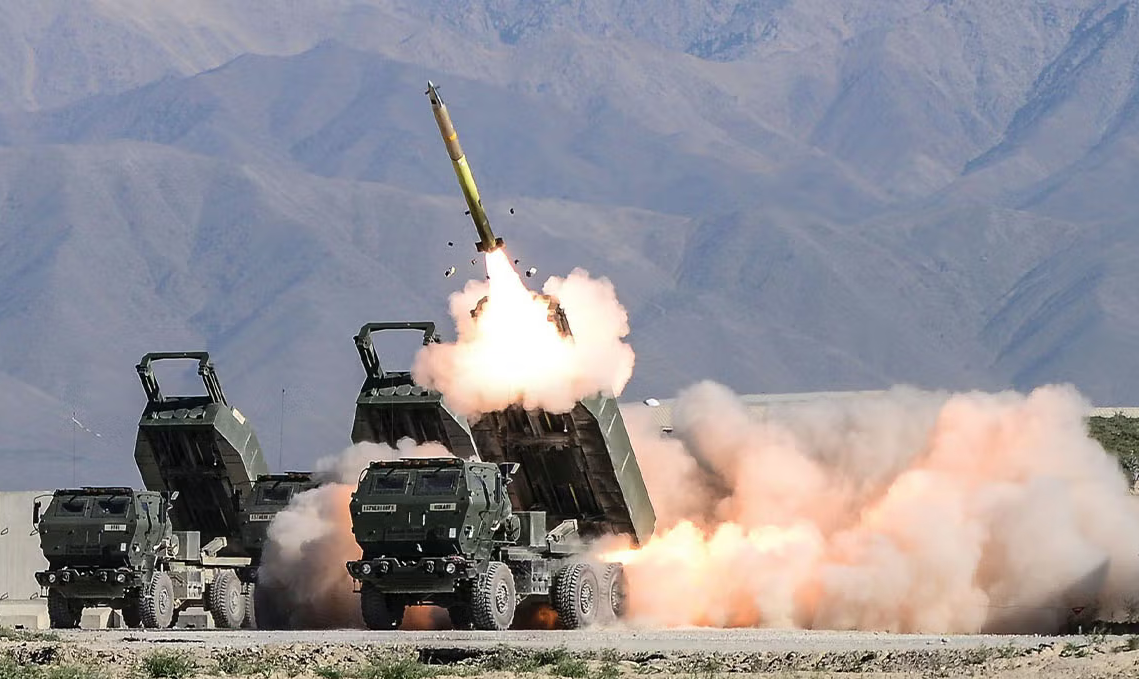
Pentagon officials stated that the funding is intended to modernize manufacturing facilities and expand production capacity for critical propulsion systems. These motors power several major weapons systems including the Tomahawk cruise missile, the Patriot PAC-3 interceptor, and the Terminal High Altitude Area Defense system. The agreement also allows the Department of Defense and L3Harris to negotiate multi-year procurement frameworks for these components.
The move follows recent criticism from the executive branch regarding slow production timelines across the defense industrial base. The Department of Defense characterized the partnership as a fundamental shift in how the military secures its munitions supply chain. By taking an equity position, the government seeks to proactively manage single points of failure in the industrial base.
Regulatory and legislative approval is required before the deal can be finalized. Lawmakers in Congress must authorize the funding and oversee the unique transaction structure. Industry analysts have noted that the government’s role as both a shareholder and a customer may draw scrutiny from competitors regarding potential conflicts of interest in future contract competitions.
The $1 billion investment marks a break from traditional defense procurement, with the Pentagon moving beyond its role as a customer to take an equity stake aimed at sustaining and expanding critical sub-tier suppliers. The timing reflects depleted U.S. munitions stockpiles and rising global demand, as conflicts in Ukraine and heightened tensions in the Indo-Pacific have exposed weaknesses in a solid rocket motor market long dominated by only two domestic producers, Northrop Grumman and L3Harris.
The planned IPO offers a path for the government to potentially recover its investment, but the deal also signals a more interventionist industrial policy. By bypassing reliance on prime contractors to manage supply chain risk, the Pentagon is testing a model that could reshape how defense firms are financed and valued. If successful, similar government equity involvement could extend to other strategic sectors, such as microelectronics or rare earth processing, further blurring the boundary between private industry and state-directed production.

A military history enthusiast, Richard began his career at Forecast International as editor of the World Weapons Weekly newsletter. As the Internet became central to defense research, he helped design the company’s Forecast Intelligence Center and now coordinates the FI Market Recap newsletters for clients. He also manages two blogs: Defense & Security Monitor, which covers defense systems and international security issues, and Flight Plan, focused on commercial aviation and space systems.
For more than 30 years, Richard has authored Defense & Aerospace Companies, Volume I (North America) and Volume II (International), providing detailed data on major aerospace and defense contractors. He also edits the International Contractors service, a database tracking all companies involved in programs covered by the FI library. Richard currently serves as Manager of the Information Services Group (ISG), which develops outbound content for both Forecast International and Military Periscope.