During the first quarter of 2026, the U.S. government approved over $45 billion in potential Foreign Military Sales (FMS) with the overwhelming majority supporting Middle Eastern allies. Of total global approvals, the region garnered 81 percent, or over $36.6 billion in estimated sales value for defense equipment.
Direct comparisons between first-quarter FMS approvals and the combat systems currently being used by the United States, Israel, and allied Arab states are imperfect. Approved agreements do not automatically translate into deliveries. Follow-on contracts, payments and shipments might not materialize for months or years, if at all. Even so, FMS activity can be a meaningful indicator of geopolitical and industrial trends. This is increasingly true given the scale of combat, stakeholders involved, and weapons consumption driven by the Iranian War.
Middle East
Countries in the Middle East spend heavily on defense, devoting some $177.5 billion to military expenditure in their FY26 budgets by conservative estimates. Many of the region’s governments, moreover, possess immense reserve assets that can be leveraged to support procurement when needed.
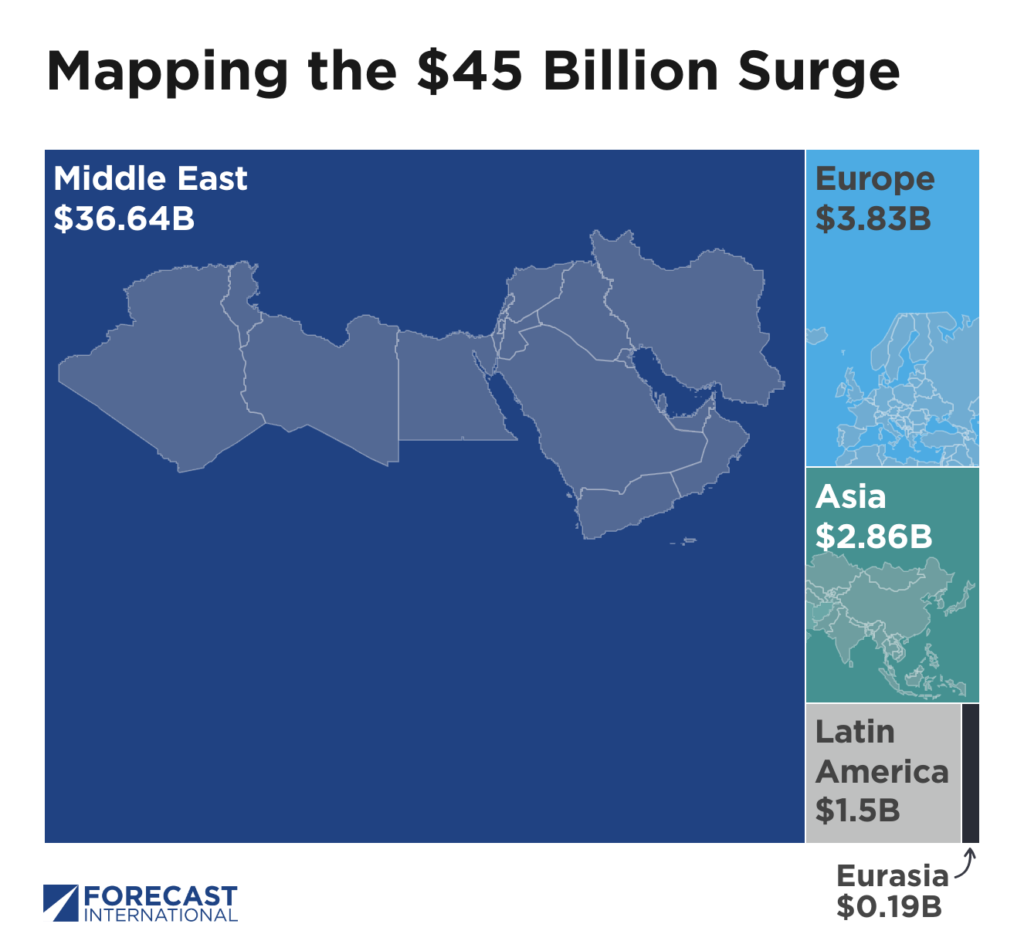
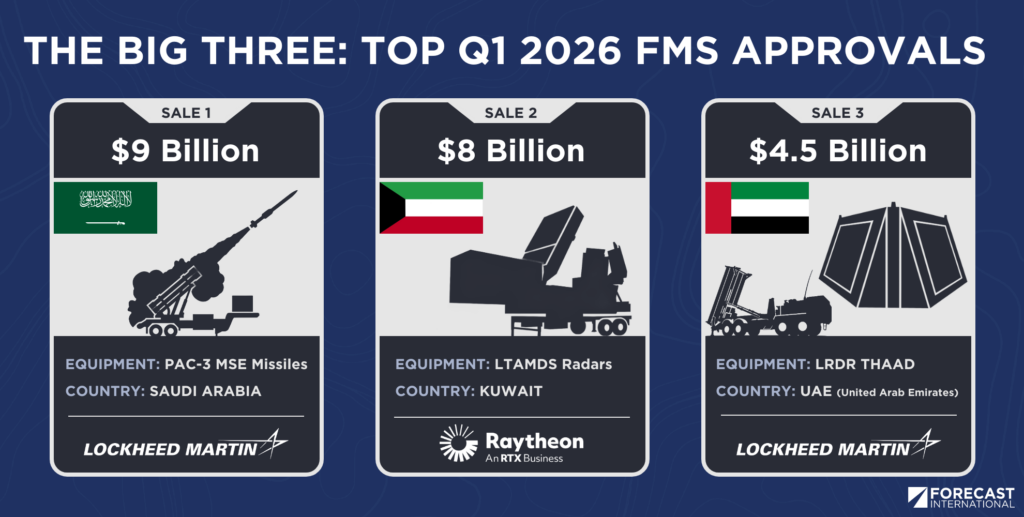
Over 81 percent of FMS approvals in the first quarter of 2026 covered potential sales to American partners in the Middle East, corresponding with the deterioration in the regional security environment during this timeframe. These approvals can be generally grouped into two tranches, with the first set announced around the end of January. On January 30, the U.S. approved a Saudi request for 730 Patriot PAC-3 MSE missiles, which, together with support equipment, carry an estimated price tag of $9.0 billion. That same day, the U.S. also approved four sales to Israel worth a combined $6.6 billion, with the largest being a potential $3.8 billion sale of 30 AH-64E attack helicopters.
The U.S. and Israel began military operations against Iran on February 28, beginning a weeks-long air campaign in retaliation for the country’s brutal crackdown on protesters the month before and aiming to dismantle Iran’s offensive military capabilities and nuclear program. Iran retaliated with missile and drone salvoes targeting Israel, regional U.S. military bases, and the Gulf Cooperation Council (GCC) countries. According to some estimates, Iran fired as many as 6,400 missiles and drones at the GCC countries and Jordan across 41 days of operations. The majority of these attacks were intercepted, but Iranian attacks did manage to penetrate Gulf air defenses and hit sensitive sites. Amid these barrages, the GCC countries made a series of requests for ammunition and radar systems from the U.S., leading to a group of FMS approvals in mid-March.
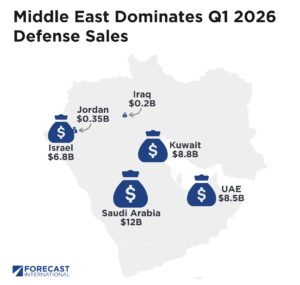
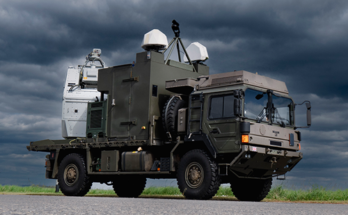
On March 19, the U.S. approved $8.5 billion in potential sales to the UAE, split across four potential deals. These approvals included a $4.5 billion sale of a Long Range Discrimination Radar (LRDR) for integration with the Terminal High Altitude Area Defense (THAAD) air-defense system, a $2.1 billion sale of counter-UAS equipment, a $1.2 billion deal for 400 AIM-120C AMRAAM air-to-air missiles, and a $644 million sale of F-16 munitions. Kuwait was approved to purchase eight Lower Tier Air and Missile Defense Sensor (LTAMDS) radars on the same day, at a cost of $8 billion. The U.S. also signed off on $70.5 million in aircraft and munitions support for Jordan.
All six of the deals announced on March 19 were approved under an emergency exception to Section 36(b) of the Arms Export Control Act, waiving the typical Congressional review requirement. That process would normally take roughly 30 to 40 days, during which the sides would be unable to move forward with contract negotiations.
Europe
Around $3.8 billion in FMS approvals in the first quarter of 2026 – 8.5 percent of the overall total – target European requirements. A sizable chunk of this total comes from Spain’s $1.7 billion request for mid-life upgrades to its Álvaro de Bazán-class frigates. The upgrade program will principally include integrating the AEGIS weapon system to expand the warships’ air-defense capabilities.
On March 10, the State Department approved the sale of 20 M142 High Mobility Artillery Rocket Systems (HIMARS) to Sweden, with a price tag of $930 million. Should Stockholm move forward with a purchase agreement, it would become the eighth or ninth European customer for the multiple rocket launcher, joining Croatia, Estonia, Italy, Latvia, Lithuania, Poland, and Romania. (Hungary, another potential customer, announced plans to acquire HIMARS on April 9, ahead of the incumbent government’s loss in general elections several days later.)
The U.S. also approved an FMS deal with Denmark, blessing the sale of 100 AGM-114R HELLFIRE air-to-surface missiles at a possible cost of $45 million. Relations between Washington and Copenhagen have become turbulent in the second Trump administration over Greenland’s political future, but beneath the headlines, the two countries remain strong defense partners.
Only one FMS approval for Ukraine (which Forecast International groups in the Eurasia region) was announced in the first quarter of 2026, on February 6. Kyiv requested to buy spare parts for its U.S. Army-supplied vehicles and weapons, at an expected cost of $185 million.
Over time, European countries are aiming to reduce their dependency on the U.S. for military equipment, pursuing various national and intra-European projects to improve the continent’s own defense industry. This process was jump-started in 2022, in the wake of Russia’s invasion of Ukraine, and has accelerated over the past year as European capitals increasingly worry that the U.S. may withdraw from the NATO Alliance.
Europe (not including Ukraine and Russia) is expected to spend $508.9 billion on defense in FY26, up from around $300 billion on the eve of Russia’s war on Ukraine. Five years ago, only a handful of NATO countries met the Alliance’s 2 percent of GDP target, but most are now at least at that threshold, if not well exceeding it.
Industry Trends
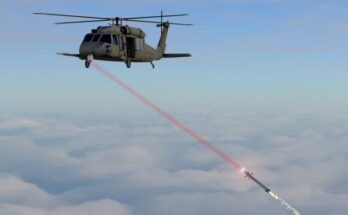
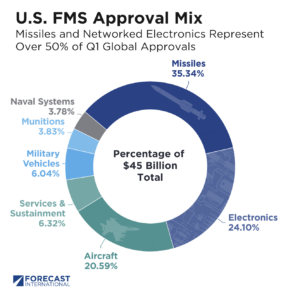
From a weapons systems standpoint, missiles and related equipment represent the largest category of approved potential sales from the quarter at nearly $16.0 billion and 35 percent of the total. Relatedly, the three highest-cost possible deals involve various offensive and defensive missile and networked electronic systems that have featured prominently in military operations during the war in Iran.
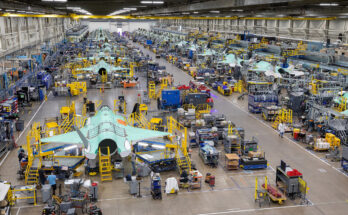
Of these, American defense giants Lockheed Martin and RTX are well-positioned to capitalize on a prospective windfall of over $21 billion in the aforementioned FMS to Saudi Arabia, Kuwait, and the UAE. Domestically, Lockheed Martin and RTX both emerged as beneficiaries of several historic multi-year framework agreements with the Pentagon during Q1 2026, to boost precision munitions and interceptor production for the U.S.
Raytheon, an RTX company, also won a handful of LTAMDS contracts from the U.S. government during the first quarter, including a $905 million production contract on April 16 that contributes to an overall $5.36 billion cumulative framework.
Strategic Pivot
The awards to Lockheed Martin and RTX, alongside FMS approvals for key systems emerging from the Iranian War, underscore a broader shift in Washington’s approach to weapons deals. On February 6, 2026, the White House issued an Executive Order entitled “America First Arms Transfer Strategy” to reshape priorities for foreign military equipment sale policy.
Though the Trump Administration’s order references arms transfers as a foreign policy tool, the text primarily focuses on strengthening the U.S. defense industrial base. Indeed, the order states that the strategy “will ensure that future arms sales prioritize American interests by using foreign purchases and capital to build American production and capacity.” A deeper read of the subsections signals a reprioritization of strategy – one that emphasizes utilizing arms sales to bolster domestic industry over foreign policy objectives.
Just weeks after the release of the “America First” executive order, U.S. and Israeli forces launched Operation Epic Fury, expending over 2,000 munitions in the first 100 hours. Many of the most significant Q1 2026 FMS approvals involve equipment featured prominently in the campaign, including key missiles, aircraft, electronics, and munitions whose sale was approved both before and after hostilities began.
Early analysis suggests strong, and in some cases direct, alignment between these disclosed potential sales and ongoing combat activity in the region. For now, U.S. arms sales priorities appear firmly anchored in the Middle East, reinforcing the orders outlook for American prime defense contractors. The more open question is whether shifts in FMS policy will strain long-standing ties between the U.S. defense industry and Europe. A region that received comparatively little attention in the first quarter amid political pressures for defense independence.

A former naval officer and Seahawk helicopter pilot, Jon currently leads the Military Aerospace and Weapons Systems group at Forecast International. He specializes in current and emerging military fixed and rotary-wing aircraft. With over a decade of experience in military aviation, operations, and education, he forecasts a diverse range of defense and naval systems.
Influenced by his time as a former Presidential Management Fellow and International Trade Specialist at the Department of Commerce, Jon gained insights into government operations and global markets.
Before joining Forecast International, he served as an NROTC instructor and Adjunct Assistant Professor at the University of Texas, teaching undergraduate courses in naval history, navigation, defense organization, and naval operations and warfare.
-
Jon Hemler
-
Jon Hemler
-
Jon Hemler
-
Jon Hemler
-
Jon Hemler

Military markets analyst, covering Eurasia, Middle East, and Africa.
-
Derek Bisaccio
-
Derek Bisaccio
-
Derek Bisaccio
-
Derek Bisaccio
-
Derek Bisaccio
-
Derek Bisaccio
-
Derek Bisaccio
-
Derek Bisaccio
-
Derek Bisaccio
-
Derek Bisaccio
-
Derek Bisaccio
-
Derek Bisaccio
-
Derek Bisaccio
-
Derek Bisaccio
-
Derek Bisaccio
-
Derek Bisaccio
-
Derek Bisaccio
-
Derek Bisaccio
-
Derek Bisaccio
-
Derek Bisaccio
-
Derek Bisaccio
-
Derek Bisaccio
-
Derek Bisaccio
-
Derek Bisaccio
-
Derek Bisaccio
-
Derek Bisaccio
-
Derek Bisaccio
-
Derek Bisaccio
-
Derek Bisaccio
-
Derek Bisaccio
-
Derek Bisaccio
-
Derek Bisaccio
-
Derek Bisaccio
-
Derek Bisaccio
-
Derek Bisaccio
-
Derek Bisaccio
-
Derek Bisaccio
-
Derek Bisaccio
-
Derek Bisaccio
-
Derek Bisaccio
-
Derek Bisaccio
-
Derek Bisaccio
-
Derek Bisaccio
-
Derek Bisaccio
-
Derek Bisaccio
-
Derek Bisaccio
-
Derek Bisaccio
-
Derek Bisaccio
-
Derek Bisaccio
-
Derek Bisaccio
-
Derek Bisaccio
-
Derek Bisaccio
-
Derek Bisaccio
-
Derek Bisaccio
-
Derek Bisaccio
-
Derek Bisaccio
-
Derek Bisaccio
-
Derek Bisaccio
-
Derek Bisaccio
-
Derek Bisaccio
-
Derek Bisaccio
-
Derek Bisaccio
-
Derek Bisaccio
-
Derek Bisaccio
-
Derek Bisaccio
-
Derek Bisaccio
-
Derek Bisaccio
-
Derek Bisaccio
-
Derek Bisaccio
-
Derek Bisaccio
-
Derek Bisaccio
-
Derek Bisaccio
-
Derek Bisaccio
-
Derek Bisaccio
-
Derek Bisaccio
-
Derek Bisaccio
-
Derek Bisaccio
-
Derek Bisaccio
-
Derek Bisaccio
-
Derek Bisaccio
-
Derek Bisaccio
-
Derek Bisaccio
-
Derek Bisaccio
-
Derek Bisaccio
-
Derek Bisaccio
-
Derek Bisaccio
-
Derek Bisaccio
-
Derek Bisaccio
-
Derek Bisaccio
-
Derek Bisaccio
-
Derek Bisaccio
-
Derek Bisaccio
-
Derek Bisaccio
-
Derek Bisaccio
-
Derek Bisaccio
-
Derek Bisaccio
-
Derek Bisaccio
-
Derek Bisaccio
-
Derek Bisaccio
-
Derek Bisaccio
-
Derek Bisaccio
-
Derek Bisaccio
-
Derek Bisaccio
-
Derek Bisaccio
-
Derek Bisaccio
-
Derek Bisaccio
-
Derek Bisaccio
-
Derek Bisaccio
-
Derek Bisaccio
-
Derek Bisaccio
-
Derek Bisaccio
-
Derek Bisaccio
-
Derek Bisaccio
-
Derek Bisaccio
-
Derek Bisaccio
-
Derek Bisaccio
-
Derek Bisaccio
-
Derek Bisaccio
-
Derek Bisaccio
-
Derek Bisaccio
-
Derek Bisaccio
-
Derek Bisaccio
-
Derek Bisaccio
-
Derek Bisaccio
-
Derek Bisaccio
-
Derek Bisaccio
-
Derek Bisaccio
-
Derek Bisaccio
-
Derek Bisaccio
-
Derek Bisaccio
-
Derek Bisaccio
-
Derek Bisaccio
-
Derek Bisaccio
-
Derek Bisaccio
-
Derek Bisaccio
-
Derek Bisaccio
-
Derek Bisaccio
-
Derek Bisaccio
-
Derek Bisaccio
-
Derek Bisaccio
-
Derek Bisaccio
-
Derek Bisaccio
-
Derek Bisaccio
-
Derek Bisaccio
-
Derek Bisaccio
-
Derek Bisaccio
-
Derek Bisaccio
-
Derek Bisaccio
-
Derek Bisaccio
-
Derek Bisaccio
-
Derek Bisaccio
-
Derek Bisaccio
-
Derek Bisaccio
-
Derek Bisaccio
-
Derek Bisaccio
-
Derek Bisaccio
-
Derek Bisaccio
-
Derek Bisaccio
-
Derek Bisaccio
-
Derek Bisaccio
-
Derek Bisaccio
-
Derek Bisaccio
-
Derek Bisaccio
-
Derek Bisaccio
-
Derek Bisaccio
-
Derek Bisaccio
-
Derek Bisaccio
-
Derek Bisaccio
-
Derek Bisaccio
-
Derek Bisaccio
-
Derek Bisaccio
-
Derek Bisaccio
-
Derek Bisaccio
-
Derek Bisaccio
-
Derek Bisaccio
-
Derek Bisaccio
-
Derek Bisaccio
-
Derek Bisaccio
-
Derek Bisaccio
-
Derek Bisaccio
-
Derek Bisaccio
-
Derek Bisaccio
-
Derek Bisaccio
-
Derek Bisaccio
-
Derek Bisaccio
-
Derek Bisaccio
-
Derek Bisaccio
-
Derek Bisaccio
-
Derek Bisaccio
-
Derek Bisaccio
-
Derek Bisaccio
-
Derek Bisaccio
-
Derek Bisaccio
-
Derek Bisaccio
-
Derek Bisaccio
-
Derek Bisaccio
-
Derek Bisaccio
-
Derek Bisaccio
-
Derek Bisaccio
-
Derek Bisaccio
-
Derek Bisaccio
-
Derek Bisaccio
-
Derek Bisaccio
-
Derek Bisaccio
-
Derek Bisaccio
-
Derek Bisaccio
-
Derek Bisaccio
-
Derek Bisaccio
-
Derek Bisaccio
-
Derek Bisaccio
-
Derek Bisaccio
-
Derek Bisaccio
-
Derek Bisaccio
-
Derek Bisaccio
-
Derek Bisaccio
-
Derek Bisaccio
-
Derek Bisaccio
-
Derek Bisaccio
-
Derek Bisaccio
-
Derek Bisaccio
-
Derek Bisaccio
-
Derek Bisaccio
-
Derek Bisaccio
-
Derek Bisaccio
-
Derek Bisaccio
-
Derek Bisaccio
-
Derek Bisaccio
-
Derek Bisaccio
-
Derek Bisaccio
-
Derek Bisaccio
-
Derek Bisaccio
-
Derek Bisaccio
-
Derek Bisaccio
-
Derek Bisaccio
-
Derek Bisaccio
-
Derek Bisaccio
-
Derek Bisaccio
-
Derek Bisaccio
-
Derek Bisaccio
-
Derek Bisaccio
-
Derek Bisaccio
-
Derek Bisaccio
-
Derek Bisaccio
-
Derek Bisaccio
-
Derek Bisaccio
-
Derek Bisaccio
-
Derek Bisaccio
-
Derek Bisaccio
-
Derek Bisaccio
-
Derek Bisaccio
-
Derek Bisaccio
-
Derek Bisaccio
-
Derek Bisaccio
-
Derek Bisaccio
-
Derek Bisaccio
-
Derek Bisaccio
-
Derek Bisaccio
-
Derek Bisaccio
-
Derek Bisaccio
-
Derek Bisaccio
-
Derek Bisaccio
-
Derek Bisaccio
-
Derek Bisaccio
-
Derek Bisaccio
-
Derek Bisaccio
-
Derek Bisaccio
-
Derek Bisaccio
-
Derek Bisaccio
-
Derek Bisaccio
-
Derek Bisaccio
-
Derek Bisaccio
-
Derek Bisaccio
-
Derek Bisaccio
-
Derek Bisaccio
-
Derek Bisaccio
-
Derek Bisaccio
-
Derek Bisaccio
-
Derek Bisaccio
-
Derek Bisaccio
-
Derek Bisaccio
-
Derek Bisaccio
-
Derek Bisaccio
-
Derek Bisaccio
-
Derek Bisaccio
-
Derek Bisaccio
-
Derek Bisaccio
-
Derek Bisaccio
-
Derek Bisaccio
-
Derek Bisaccio
-
Derek Bisaccio
-
Derek Bisaccio
-
Derek Bisaccio
-
Derek Bisaccio
-
Derek Bisaccio
-
Derek Bisaccio
-
Derek Bisaccio
-
Derek Bisaccio
-
Derek Bisaccio
-
Derek Bisaccio
-
Derek Bisaccio
-
Derek Bisaccio
-
Derek Bisaccio
-
Derek Bisaccio
-
Derek Bisaccio
-
Derek Bisaccio
-
Derek Bisaccio
-
Derek Bisaccio
-
Derek Bisaccio
-
Derek Bisaccio
-
Derek Bisaccio
-
Derek Bisaccio
-
Derek Bisaccio
-
Derek Bisaccio
-
Derek Bisaccio
-
Derek Bisaccio
-
Derek Bisaccio
-
Derek Bisaccio
-
Derek Bisaccio
-
Derek Bisaccio
-
Derek Bisaccio
-
Derek Bisaccio
-
Derek Bisaccio
-
Derek Bisaccio
-
Derek Bisaccio
-
Derek Bisaccio
-
Derek Bisaccio
-
Derek Bisaccio
-
Derek Bisaccio
-
Derek Bisaccio
-
Derek Bisaccio
-
Derek Bisaccio
-
Derek Bisaccio
-
Derek Bisaccio
-
Derek Bisaccio
-
Derek Bisaccio
-
Derek Bisaccio
-
Derek Bisaccio
-
Derek Bisaccio
-
Derek Bisaccio
-
Derek Bisaccio
-
Derek Bisaccio
-
Derek Bisaccio
-
Derek Bisaccio
-
Derek Bisaccio
-
Derek Bisaccio
-
Derek Bisaccio
-
Derek Bisaccio
-
Derek Bisaccio
-
Derek Bisaccio
-
Derek Bisaccio
-
Derek Bisaccio
-
Derek Bisaccio
-
Derek Bisaccio
-
Derek Bisaccio
-
Derek Bisaccio
-
Derek Bisaccio
-
Derek Bisaccio
-
Derek Bisaccio
-
Derek Bisaccio
-
Derek Bisaccio
-
Derek Bisaccio
-
Derek Bisaccio
-
Derek Bisaccio
-
Derek Bisaccio
-
Derek Bisaccio
-
Derek Bisaccio
-
Derek Bisaccio
-
Derek Bisaccio
-
Derek Bisaccio
-
Derek Bisaccio
-
Derek Bisaccio
-
Derek Bisaccio
-
Derek Bisaccio
-
Derek Bisaccio
-
Derek Bisaccio
-
Derek Bisaccio
-
Derek Bisaccio
-
Derek Bisaccio
-
Derek Bisaccio
-
Derek Bisaccio
-
Derek Bisaccio
-
Derek Bisaccio
-
Derek Bisaccio
-
Derek Bisaccio
-
Derek Bisaccio
-
Derek Bisaccio
-
Derek Bisaccio
-
Derek Bisaccio
-
Derek Bisaccio
-
Derek Bisaccio
-
Derek Bisaccio
-
Derek Bisaccio
-
Derek Bisaccio
-
Derek Bisaccio
-
Derek Bisaccio
-
Derek Bisaccio
-
Derek Bisaccio
-
Derek Bisaccio
-
Derek Bisaccio
-
Derek Bisaccio
-
Derek Bisaccio
-
Derek Bisaccio
-
Derek Bisaccio
-
Derek Bisaccio
-
Derek Bisaccio
-
Derek Bisaccio
-
Derek Bisaccio
-
Derek Bisaccio
-
Derek Bisaccio
-
Derek Bisaccio
-
Derek Bisaccio
-
Derek Bisaccio
-
Derek Bisaccio
-
Derek Bisaccio
-
Derek Bisaccio
-
Derek Bisaccio
-
Derek Bisaccio
-
Derek Bisaccio
-
Derek Bisaccio
-
Derek Bisaccio
-
Derek Bisaccio
-
Derek Bisaccio
-
Derek Bisaccio
-
Derek Bisaccio
-
Derek Bisaccio
-
Derek Bisaccio
-
Derek Bisaccio
-
Derek Bisaccio
-
Derek Bisaccio
-
Derek Bisaccio
-
Derek Bisaccio
-
Derek Bisaccio
-
Derek Bisaccio
-
Derek Bisaccio
-
Derek Bisaccio
-
Derek Bisaccio
-
Derek Bisaccio
-
Derek Bisaccio
-
Derek Bisaccio
-
Derek Bisaccio
-
Derek Bisaccio
-
Derek Bisaccio
-
Derek Bisaccio
-
Derek Bisaccio
-
Derek Bisaccio
-
Derek Bisaccio
-
Derek Bisaccio
-
Derek Bisaccio
-
Derek Bisaccio
-
Derek Bisaccio
-
Derek Bisaccio
-
Derek Bisaccio
-
Derek Bisaccio
-
Derek Bisaccio
-
Derek Bisaccio
-
Derek Bisaccio
-
Derek Bisaccio
-
Derek Bisaccio
-
Derek Bisaccio
-
Derek Bisaccio
-
Derek Bisaccio
-
Derek Bisaccio
-
Derek Bisaccio
-
Derek Bisaccio
-
Derek Bisaccio
-
Derek Bisaccio
-
Derek Bisaccio
-
Derek Bisaccio